
Rubber vs. PVC Cable for Commercial Outdoor String Lights

For demanding commercial outdoor string light projects, heavy-duty rubber cable offers the weather resistance, abrasion resistance and cold-weather flexibility needed for repeated handling and long exposure. PVC remains a practical, lower-cost choice for seasonal displays and sheltered installations. Choose around the site and installation cycle, then confirm the conductor specification, connectors and operating conditions. The outer cable material is important, but it is only one part of the finished light string.
Is Rubber Cable Always the Better Outdoor Choice?
Rubber cable is the stronger choice when the lights will face sunlight, low temperatures, rubbing against surfaces or repeated installation and removal. Its flexibility and resilience are particularly useful for commercial tree wrapping and hire stock that crews handle season after season. Paying more for that construction can make sense when handling damage and replacement work would be costly.
PVC suits projects where lower purchase cost, low weight and a discreet cable matter more. Indoor displays, covered event spaces and short seasonal installations often fall into this group. For exposed outdoor use, specify a PVC construction intended for that environment rather than assuming any PVC cable will do.
The useful comparison is the cable supplied for your project, not two material names on a quotation. Ask for the actual designation, construction and use conditions. H05RN-F is an example of a rubber cable designation; it should appear in the order only when it matches the selected cable.
How Do Rubber and PVC Compare in Practice?
For commercial buying, compare the job the cable must do: stay flexible during winter handling, resist sunlight, tolerate friction and fit the installation budget. The table below keeps those practical differences together without assigning one temperature or service life to every cable.
| Buying factor | Rubber / PVC comparison |
|---|---|
| Cold-weather handling | Rubber offers greater flexibility for repeated cold-weather work; PVC can stiffen in cold conditions |
| Sunlight exposure | UV-resistant rubber suits prolonged exposure; exposed PVC needs a suitable outdoor compound |
| Mechanical handling | Rubber resists abrasion and tearing during repeated use; PVC offers a lighter construction |
| Purchase cost | Rubber generally costs more; PVC can reduce cost for temporary or sheltered displays |
Check temperature information carefully. The permitted temperature for a cable left fixed in place may differ from the temperature at which it can be installed, bent or reeled. A crew removing lights on a cold morning needs the handling limit, not just the operating range. Confirm the applicable figures for the ordered construction instead of copying a generic −20°C example.
Compare complete quotations too. Cable construction, conductor area, connectors, lead lengths and included accessories should be aligned before judging the price difference. A cheaper set with different components is not a like-for-like comparison.
Which Cable Suits Each Installation Scenario?
Commercial trees and botanical displays
Heavy-duty rubber cable is a good fit for tree wrapping where branches move, the cable meets rough bark and crews need flexibility during installation and removal. Its abrasion resistance and cold-weather handling advantages support repeated commercial use. Mounting still matters: allow movement and growth, avoid tight ties and do not make the electrical cable carry unsupported spans.
Plan the lighting quantity separately from the cable choice. Our commercial tree-wrapping quantity guide explains how trunk circumference, wrapped height and turn spacing affect the required length. Include the unlit lead and the intended supply positions in the order.
Permanent hotel facades and rooflines
UV-resistant rubber cable is the preferred direction for exposed, long-term installations that face sun and repeated temperature changes. Its weather durability and mechanical resilience suit a multi-season display. Confirm the complete assembly’s use conditions, including the connectors and power equipment, rather than treating cable selection as approval for every part of the installation.
Indoor malls and temporary event displays
Commercial PVC cable is often a sensible choice where the setting is sheltered and the display is temporary. It is lightweight and economical, and clear cable can blend into light-colored structures or decorative layouts. Confirm suitability for any outdoor portions of the route and protect the cable during packing and dismantling.
Does a Thicker Outer Cable Mean More Copper?
No. Outside diameter is measured in millimeters and includes insulation, any sheath and the overall construction. Conductor cross-sectional area is measured in square millimeters, or mm². These describe different things. A cable can have a substantial outer covering without a correspondingly large conductor inside.
The outer covering contributes to protection, but thickness alone does not prove crush resistance or the ingress rating of the finished string. Likewise, conductor area is one factor in current capacity and voltage drop; material, temperature, length and installation conditions matter too.
Values such as 0.5 mm² and 0.75 mm² describe possible conductor sizes, not universal minimums for decorative lights or confirmed specifications for every OSLENA configuration. Agree the size needed for the actual design. Our connection-limit guide explains why a thicker cable alone does not authorize adding more sets.
Request the conductor material and specification in writing. Where verification is needed, agree the measurement or test method with competent personnel. Measuring the outside jacket with a caliper cannot establish the copper area. Our wholesale quotation comparison guide explains how hidden construction differences affect price.
What Should Buyers Check in the Cable Documentation?
Use the following checklist for the configuration being ordered. Record the agreed requirement, supporting document and outstanding questions. If there is no fixed model code, use an order or configuration reference with photographs so the selected cable remains identifiable.
| Audit item | Details to confirm |
|---|---|
| Cable construction | Designation, insulation/sheath compound, color and intended use |
| Temperature and exposure | Fixed-use and handling limits, sunlight and abrasion requirements |
| Conductor | Material, nominal area, resistance information and verification method |
| Complete assembly | Connector compatibility, seal construction and applicable IP evidence |
| Traceability | Configuration reference, approved sample, documents and revisions |
Keep component evidence and finished-product evidence distinct. A cable document does not automatically cover the assembled light string, and an IP report does not establish every cable property. Our guide to reading LED string light test reports helps check what each document actually supports.
Frequently Asked Questions
Does IP65 mean the cable is UV-resistant?
No. IEC’s IP rating guidance concerns protection against dust and liquid ingress. It does not establish UV resistance or cold-weather bending performance. Check those properties separately in the cable information and relevant evidence. A PVC string may have IP65 protection while using a different material specification from a rubber-cable string.
Can transparent PVC cable be used for a permanent outdoor display?
It can be considered where the selected clear PVC construction and complete assembly are specified for the intended exposure. Do not judge suitability from transparency alone. For demanding year-round projects, UV-stabilized rubber remains the preferred selection direction; a suitable heavy-duty PVC option should be assessed against the same site requirements. Confirm sunlight exposure, temperatures and maintenance access before choosing.
Does changing from PVC to rubber require another report review?
Yes. A material change can affect insulation, thermal behavior, sealing and other properties of the assembly. Reconfirm whether the existing evidence covers the new construction. That review determines whether additional assessment or testing is needed; a full retest is not an automatic outcome for every change. Our custom string light test-coverage guide explains the process.
Discuss Your Cable Requirements with OSLENA
Send OSLENA the installation setting, exposure, planned duration and number of removal cycles. Include the voltage, required lengths, cable color, conductor requirements and connector arrangement. Ask for the available rubber and PVC configurations and the documentation relevant to the selected option.
For a physical comparison, agree which samples will be supplied and what your team will check. Our sample inspection guide separates what you can see and measure from properties that need supporting evidence. Submit your cable requirements to OSLENA or explore our commercial decorative lighting solutions, then record the confirmed construction in the order.
LED String Lights for Your Project
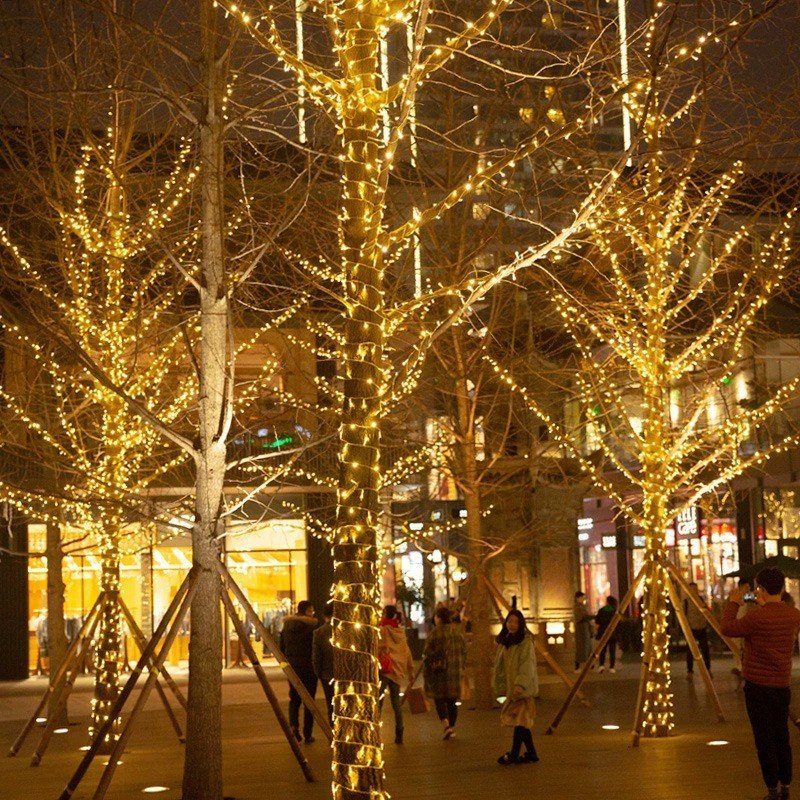
Commercial Tree Wrap IP65 LED String Lights for Outdoor Plaza Projects
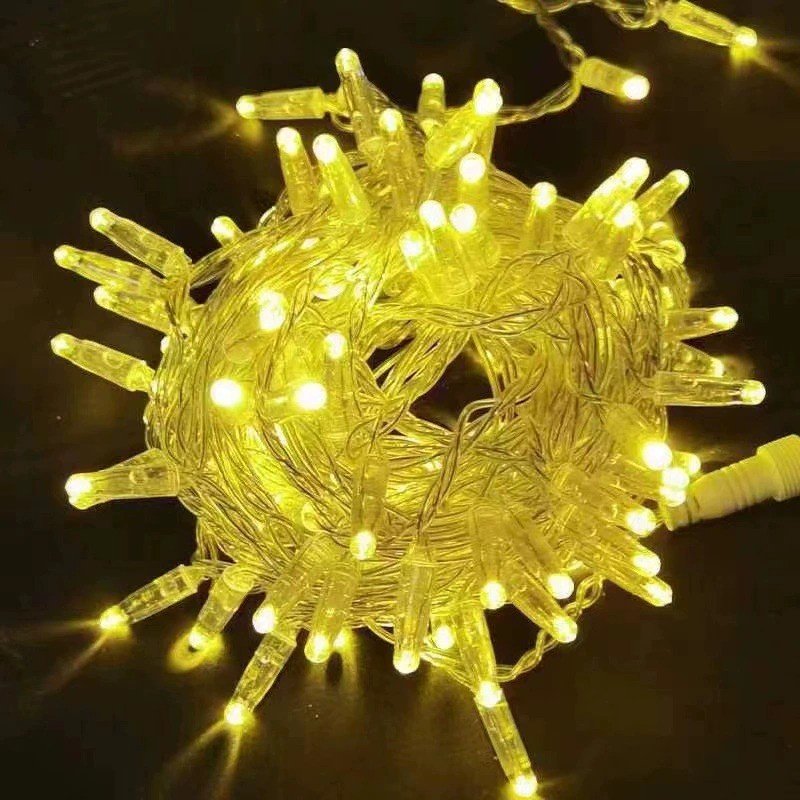
Warm White IP65 LED String Lights for Seasonal Display Supply
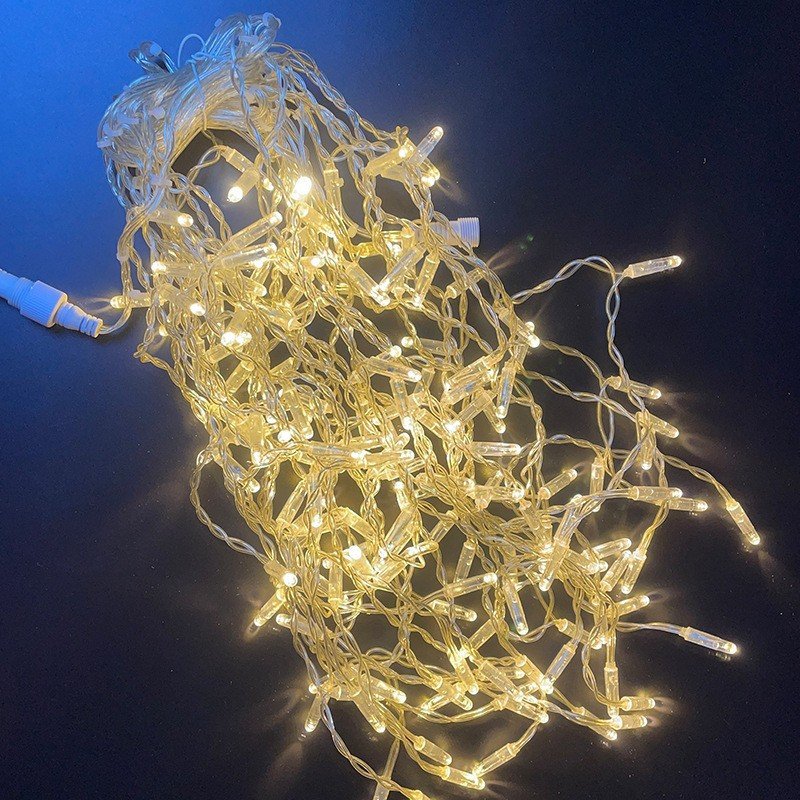
Commercial IP65 LED String Lights

In This Guide
Let’s Build Your Next Lighting Project
Tell us your application, target market, quantity and customization needs. Our team will recommend the right decorative lighting solution.