
Custom LED String Lights: Which Changes Need a Test Review?

A longer lead cable, a different plug or closer LED spacing can make a string light fit a project better. But does the existing test report cover the changed product? Sometimes it does. Sometimes the change affects an item that needs another check. Before production, compare the requested changes with the construction and operating limits recorded in the report.
1. When Can Existing Test Evidence Support a Custom Order?
A test report records the results for the sample and configurations within its scope. Customization does not erase those results. The question is whether they also support the version being ordered.
Compare the revised specification with the report’s listed variants, critical components, electrical ratings, photographs and test conditions. The same molding process can help keep joints consistent from one order to the next. A different cable diameter or seal, however, may change how that joint fits and keeps water out. That is why the construction details matter alongside the production method.
| Customization | Review before approval |
|---|---|
| Cable color, length or LED spacing | Check material identity, electrical load and the documented range. Do not assume these are cosmetic changes. |
| Packaging or private labeling | Check product identification, required markings, instructions and responsible-party information. |
| Cable material, voltage, driver or connectors | Review affected safety, EMC, substance or ingress-protection evidence; identify any additional assessment needed. |
2. Key Customization Parameters and Their Impact on Testing
A. Cable Material and Wire Gauge
A request to replace PVC with rubber cable needs more detail than a material name. Confirm the cable designation, conductor cross-section, insulation specification and supplier material reference. Different constructions can affect heating, insulation performance, mechanical strength and the fit of molded connections.
Check whether the safety report and restricted-substance documentation cover the replacement material. If the project needs cold-weather flexibility or UV resistance, ask for evidence of those properties too; the word “rubber” does not tell you the tested temperature range. A color change also deserves a material check because the pigment or compound may change.
B. Operating Voltage and Driver
Converting a 220V design to 24V DC may change the circuit, current, insulation arrangement and power supply. Replacing a driver at the same output voltage also needs review: load capacity, isolation, protection and electromagnetic behaviour may differ.
For the EU, the Low Voltage Directive covers equipment rated between 50–1,000V AC and 75–1,500V DC. A separate 24V DC string is below that voltage range, while a mains-input adapter may fall within it. Assess the supplied arrangement and other applicable requirements separately. European Commission LVD guidance explains the voltage scope.
C. Connectors, Seals and Molded Socket Caps
Replacing a push-in connection with a screw-lock design changes the joint being assessed. Check both mating halves, gasket dimensions, cable entry, locking method, strain relief and the cap for an unused outlet. A component rating alone does not establish the rating of the finished assembly.
Review whether the existing ingress test covers the revised construction and assembled condition. Further testing may be needed where the evidence does not address the change. Our IP65 outdoor installation guide explains the rating’s practical limits. IP65 does not establish immersion resistance, UV durability or a temperature range.
D. Length, LED Quantity and Bulb Spacing
Extending a lit section from 10 metres to 20 metres may add LEDs, alter current paths or affect voltage drop. Reducing LED spacing can increase power per metre. Extending only an unlit lead raises a different set of questions.
List lit length, lead length, LED quantity, spacing and maximum connected load separately. Confirm that the revised configuration is within the assessed range, including its driver and connection arrangement. For example, two strings with the same total wattage can use different circuit layouts and carry different currents through their connectors. Total power is one part of the comparison, alongside cable size, heating and the connection limit.
3. How Manufacturers Keep Custom Orders Consistent
A clear change record helps purchasing, engineering and production work from the same specification. Buyers should agree the following controls with the manufacturer rather than assume they are included.
| Control | What the buyer should confirm |
|---|---|
| Approved bill of materials | Identify cables, drivers, connectors and molding materials, with relevant supporting documents. |
| Construction and tooling | Record the approved joint design, seals and any differences from the assessed sample. |
| Sample approval | Keep a sample reference, photographs and the final specification together. |
| Production inspection | Agree inspection methods, sampling and acceptance criteria for the order. |
Design testing checks the product construction under specified conditions. Production inspection checks whether the order matches the approved design and agreed acceptance criteria. Ask which checks will be made, on how many units and against which limits. An IP65 report, for example, is not a promise that every finished string will undergo an immersion test.
For the document checks behind this review, see How to Read LED String Light Test Reports.
4. Frequently Asked Questions
Can private-label orders use the same technical evidence?
Possibly, if the product is covered and its identity is traceable. Check the labels, instructions, declarations and responsibilities for the destination market. A declaration of identity can link a commercial name to an assessed configuration, but does not replace required compliance documents.
What if a change exceeds the approved connection load?
The proposed arrangement needs to be reviewed before it is approved. More connected sets can put extra current through the first cable and connector in the chain. The solution may involve fewer sets per supply, a different cable or another power arrangement. Confirm the revised design and put the agreed connection limit in the installation instructions.
Does every custom order require a complete new test report?
No. The requested variant may already be covered. Ask for a documented comparison and a decision on any gaps. Additional testing should address the affected requirements rather than follow a blanket rule for all customization.
5. Discuss Your Custom Specification with OSLENA
Send OSLENA the original specification and the changes you need. Include the destination market, installation conditions, voltage, cable details, connector drawings or photographs, length and LED spacing. Add the expected quantity and schedule so the review can take place before samples and production are agreed.
LED String Lights for Your Project
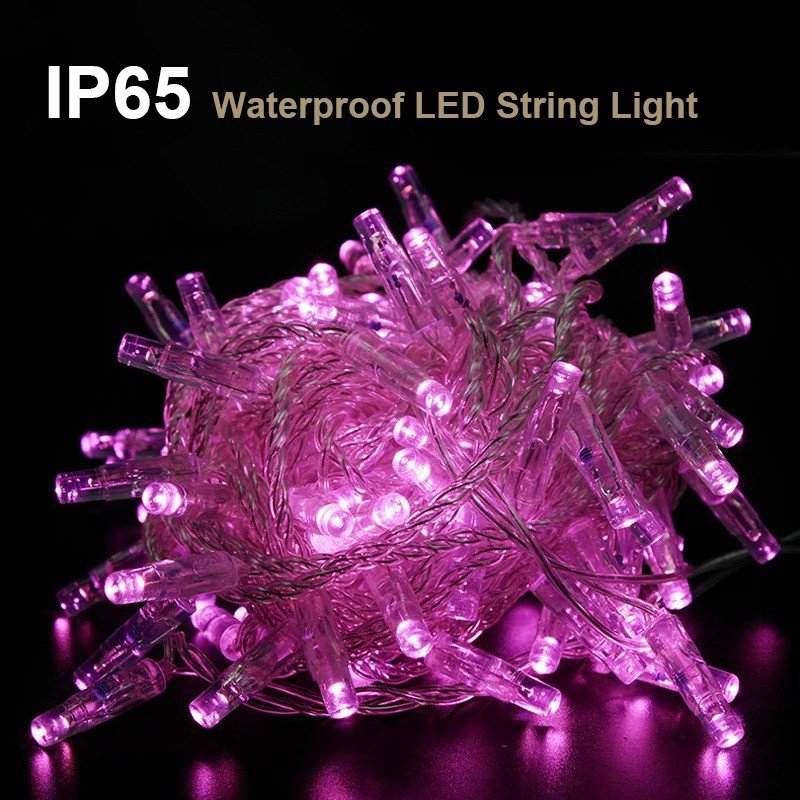
Pink IP65 LED String Lights for Themed Events and Commercial Displays
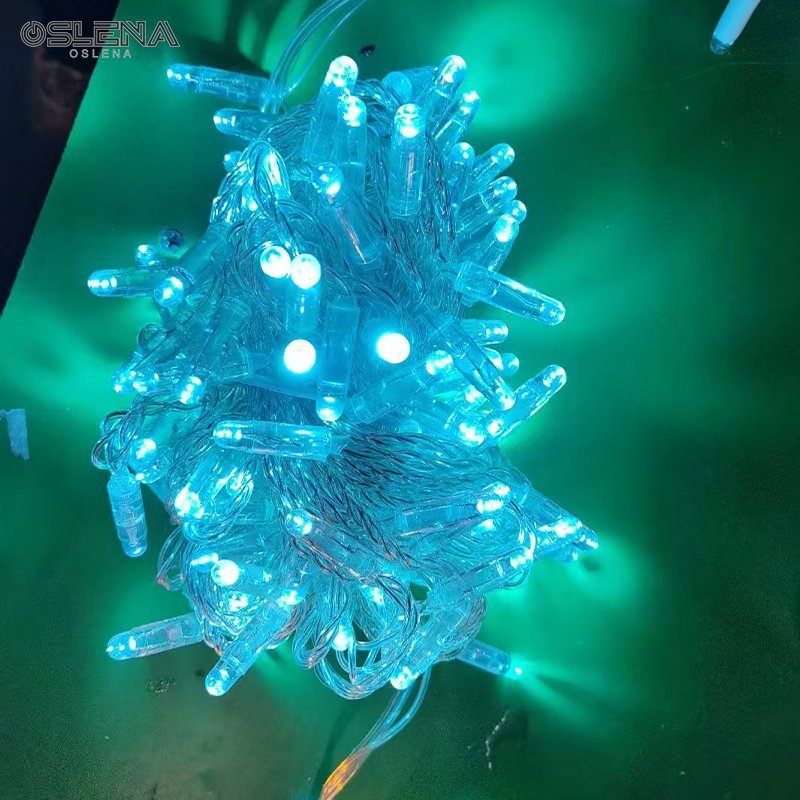
Ice Blue IP65 LED String Lights for Themed Commercial Displays
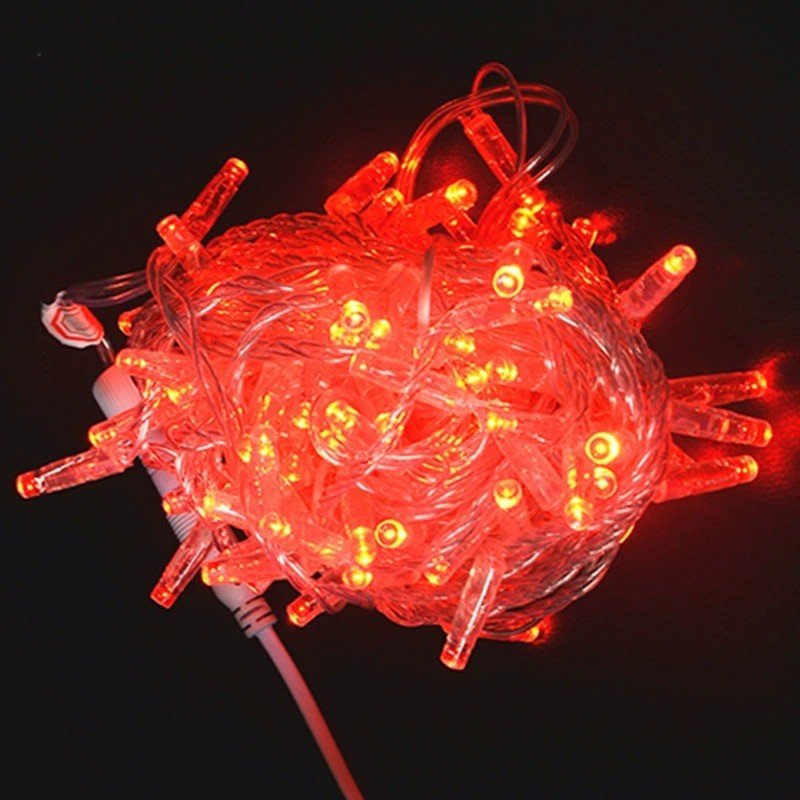
Red IP65 LED String Lights for Holiday and Festival Installations

In This Guide
Let’s Build Your Next Lighting Project
Tell us your application, target market, quantity and customization needs. Our team will recommend the right decorative lighting solution.