
Bulk LED String Lights: What to Put in Your Specification

When ordering bulk LED string lights, record the voltage, illuminated length, lead length, LED quantity, cable, connectors, light colour and packaging separately. Ask the supplier to confirm the proposed combination in writing. A request for “10 metres, warm white, outdoor” leaves room for different interpretations, even when the quotations look similar.
The aim is to give every supplier the same product to quote and give your receiving team a clear reference when the shipment arrives.
What Needs to Be Written Down First?
- Separate total length from illuminated length and the power lead.
- Check LED quantity and spacing against the drawing rather than assuming they match.
- Identify the supplied electrical components and any items you must source separately.
- Use one dated specification for the quotation, approved sample and production order.
Does the Stated Length Include the Power Lead?
Ask this before comparing prices. One quotation may describe a ten-metre illuminated section, while another may count the lead within the stated length.
Record three dimensions on the drawing: the illuminated section, the lead from the supply connection to the first light, and any unlit tail after the last light. Mark connector positions as well. This makes it easier to check whether the finished string will reach the intended supply point.
For a roofline or display frame, send the dimensions of each run. For inventory orders, specify the dimensions of each saleable unit rather than only the total metres in the shipment.
How Should LED Quantity and Spacing Be Specified?
Length, quantity and spacing belong together. If you change one, check the other two before approving the sample.
Write down the LED count, the spacing between adjacent LEDs and where the first and last LEDs sit relative to the ends. Avoid treating the total cable length divided by the LED count as an exact spacing measurement: lead lengths and end sections can change the result.
A drawing with dimensions is more useful than a line such as “10 metres, 100 LEDs, 15-centimetre spacing” if those figures have not been checked against one another. Ask the supplier to flag any mismatch before quoting.
Which OSLENA Options Can Buyers Discuss?
The following options provide a starting point for an enquiry. They are separate selections, not a list of pre-approved combinations. Confirm availability and the finished specification for the version you need.
| Item | Options for discussion | What to confirm |
|---|---|---|
| Length | 10, 20, 30, 50 or 100 metres | Whether the quoted dimension means total or illuminated length. |
| LED quantity | 100, 200, 300, 500, 800 or 1,000 | The count and spacing for the selected length. |
| Voltage | 24V, 110–120V or 220–240V | The electrical version and supplied power equipment. |
| Cable colour | Transparent, white or black | Availability with the selected construction. |
| Light colour | White, warm white, blue, green or RGB | The appearance and any required control function. |
For example, selecting 100 metres and 1,000 LEDs from this table does not establish that this combination is available with every voltage, cable or connector. Review the complete selection with OSLENA.
What Electrical Details Belong on the Order?
State the required voltage and destination market, then identify the plug, lead, connectors and any power supply or controller included in the quotation. If a supply device is required, confirm its input, output and installation requirements for the selected string.
For a 24V version, confirm whether the string requires AC or DC and identify the matching supply. For a mains-voltage version, list the connection components supplied with the assembly and follow its installation instructions.
Provide the layout and ask for the permitted connection arrangement. A connection limit taken from another product is not a suitable basis for ordering.
What Should You Ask About Cable and Connections?
Request the cable construction and conductor size relevant to the proposed configuration. If the installation has particular temperature, sunlight or handling requirements, ask what supporting information is available for the selected cable.
“Rubber” and “PVC” are not complete outdoor specifications. Avoid approving either material solely on a general claim about cold resistance or service life.
List the mating connectors, seals, end closures and accessories that must be supplied. Ask how the connections are assembled and which parts need protection at the site. For ingress protection and installation considerations, read our IP65 outdoor application guide.
How Can Packaging Details Prevent Receiving Problems?
Specify the quantity per inner pack and master carton, the packing method and the information required on each label. If installers need to identify lengths or colours without opening every box, include that requirement in the artwork.
For private-label orders, approve the packaging proof alongside the product sample. Record the artwork revision, barcode information and carton marks. Any required transport or packaging tests should be agreed explicitly; they should not be inferred from the words “export carton”.
What Should a Working Specification Sheet Contain?
| Field | Information to enter |
|---|---|
| Order reference | Product description, quantity and specification revision date. |
| Dimensions | Illuminated length, lead length, tail length and connector positions. |
| Light arrangement | LED quantity, spacing, light colour and approved appearance reference. |
| Electrical assembly | Voltage, plug, supply or controller where applicable, and included accessories. |
| Cable and joints | Cable colour, agreed construction, connectors, seals and end closures. |
| Use conditions | Installation location, exposure, mounting and any specific environmental requirements. |
| Packaging | Pack quantities, packing method, artwork and carton marks. |
| Approval record | Sample reference, agreed inspection points and relevant technical documents. |
Keep unresolved items visible. Mark them “supplier to confirm” rather than filling the sheet with assumptions. For the wider process from quotation to repeat orders, see our commercial and wholesale procurement guide.
Frequently Asked Questions
Can a product photograph replace a specification sheet?
A photograph can establish the intended appearance. It does not reliably establish voltage, dimensions, cable construction or the components supplied. Use it alongside written details and an approved sample.
What should happen if the sample differs from the quotation?
Record the difference and agree which version will be produced. Update the specification before production approval so the sample and order do not remain conflicting references.
How should repeat orders be identified?
Reference the previous approved specification and sample, then list any changes. Ask the supplier to confirm proposed substitutions before production rather than treating “same as last time” as the complete order description.
Send OSLENA Your Draft Specification
You do not need to resolve every technical detail before making an enquiry. Send the dimensions, required voltage, quantity, application and appearance reference, and mark the items that still need confirmation.
Start with the OSLENA LED String Lights range, or send your specification for review. Ask for the relevant technical files to be identified against the configuration being quoted.
LED String Lights for Your Project
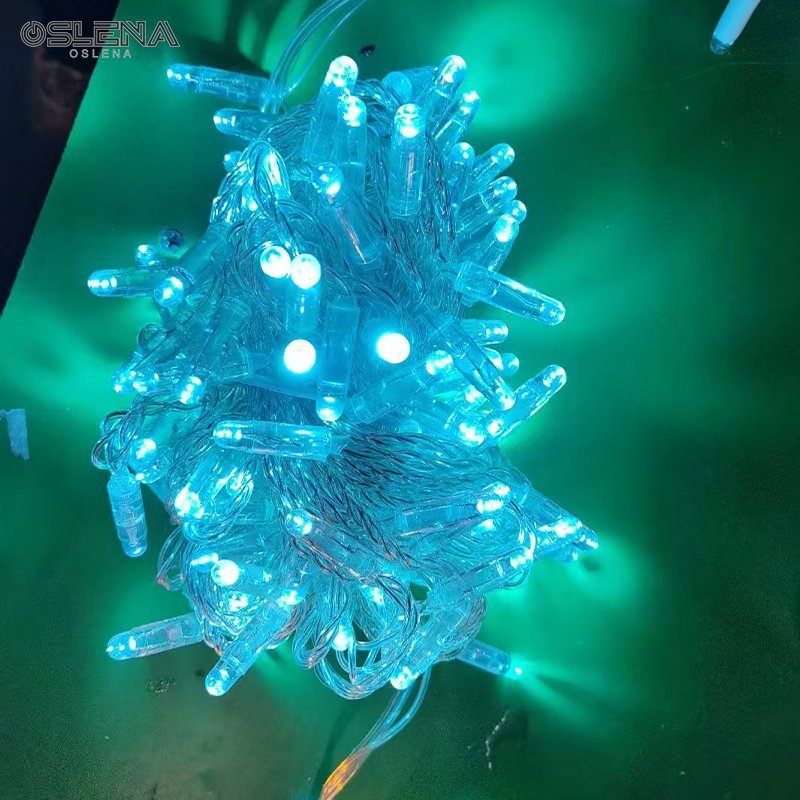
Ice Blue IP65 LED String Lights for Themed Commercial Displays
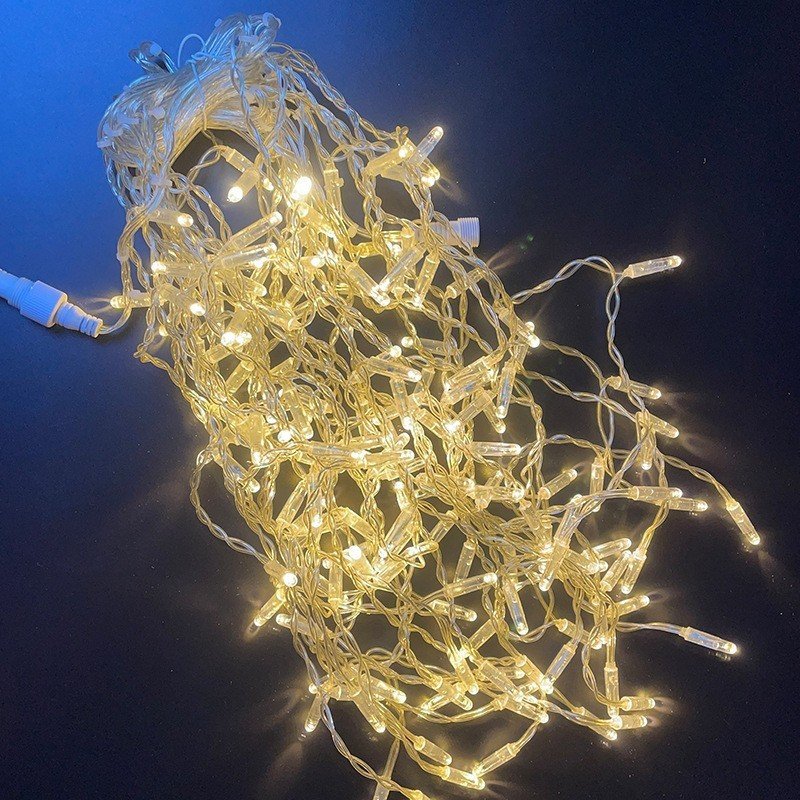
Warm White IP65 LED String Lights for Outdoor Commercial Decoration
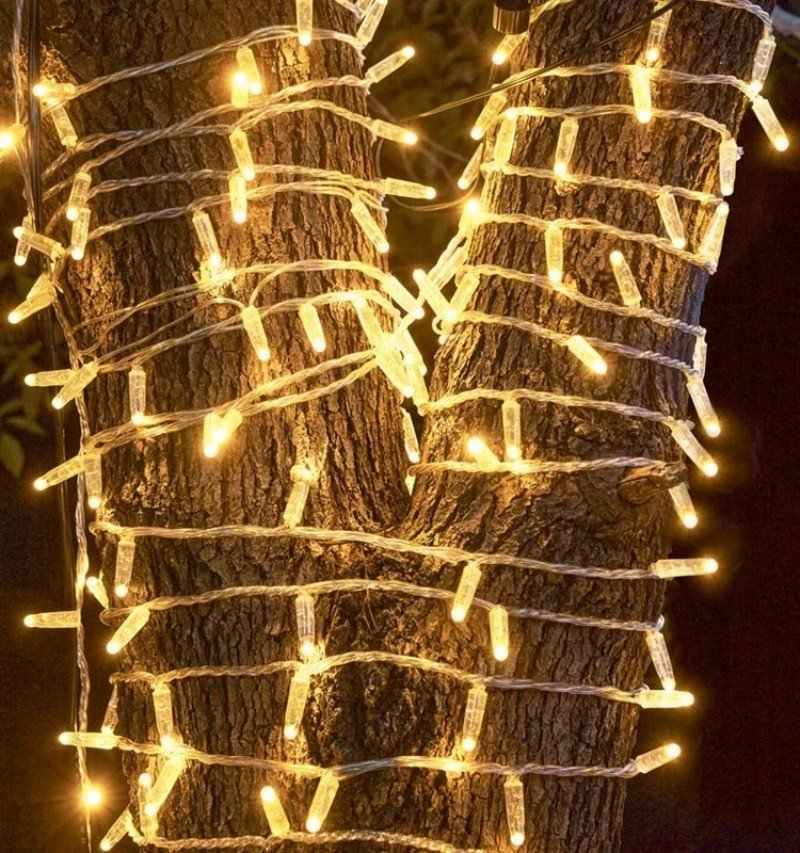
Warm White IP65 LED String Lights for Tree Trunk Decoration

In This Guide
Let’s Build Your Next Lighting Project
Tell us your application, target market, quantity and customization needs. Our team will recommend the right decorative lighting solution.