
How to Choose LED String Light Colors and Keep Orders Consistent
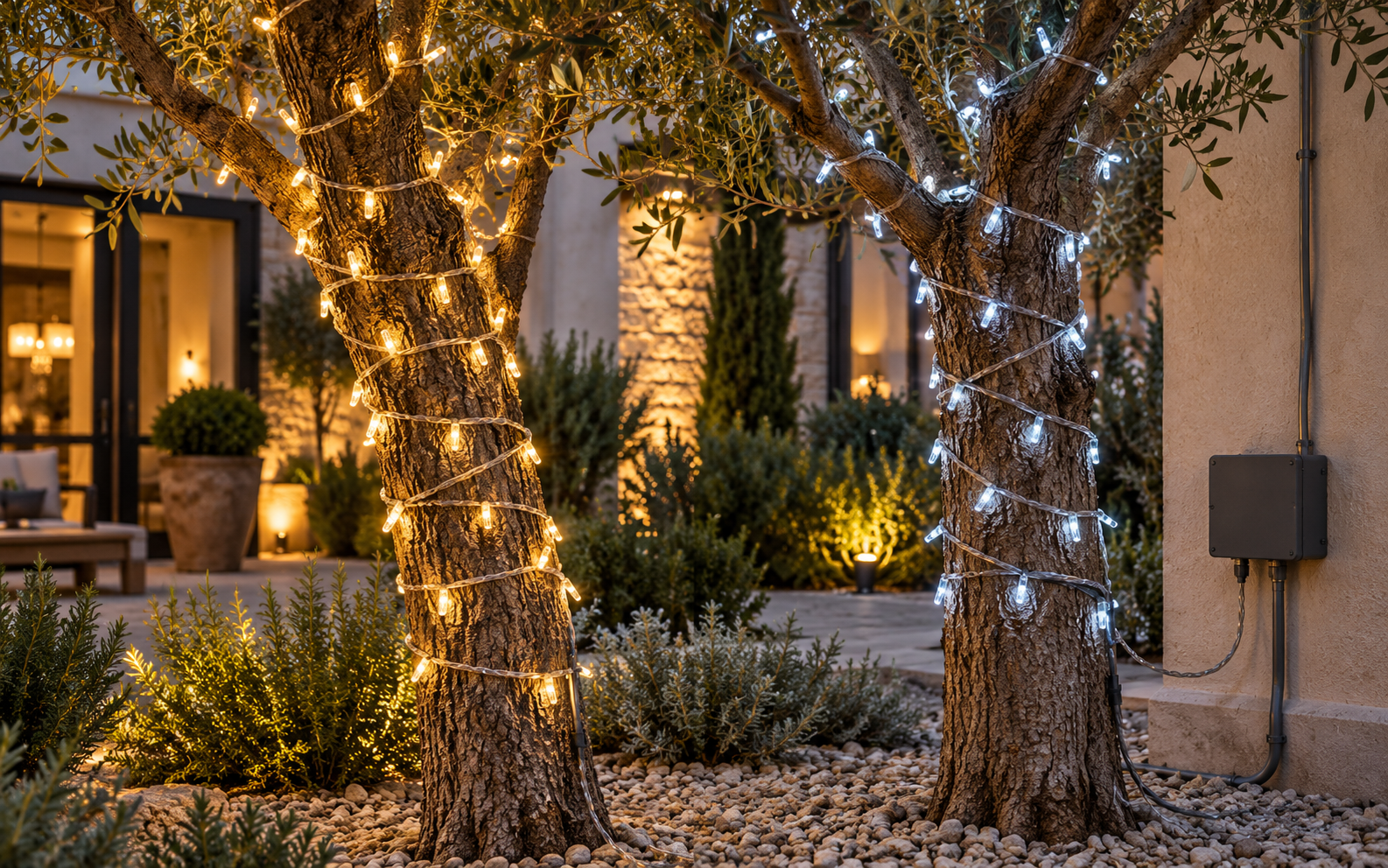
Choosing LED string light colors takes more than a name on a quotation. Two strings sold as “warm white” can look different along the same roofline. Agree the intended color, approve a physical sample and record how the bulk shipment will be checked. Keep those records for replacements. A photograph or Kelvin value alone cannot guarantee a visual match.
Which Light Colors Suit Different Commercial Settings?
Start with the atmosphere you want and the surfaces the lights will sit against. Warm white often suits hotel terraces and historic streets; cooler white can work for winter displays and crisp architectural outlines. These are design choices, not rules. Check a small installation against the actual stone, paint and foliage before ordering the full quantity.
| Light color | Scene reference |
|---|---|
| Warm white | 2700–3000K examples; hospitality, dining and historic streets |
| Neutral white | 4000–4500K examples; modern facades and plazas |
| Cool white | 6000–6500K examples; winter themes and outlines |
| Single colors / RGB | Festival or brand colors; confirm the color, controller and supported effects |
The white-light ranges above are common design references, not a list of guaranteed OSLENA options. Confirm the available color and agreed specification for the selected string. Color names vary between suppliers, so “neutral white” or “warm white” should not be the only description on the order.
Correlated color temperature, or CCT, describes the appearance of near-white light in Kelvin. It does not describe a saturated red, blue or green LED in the same way. RGB strings also need a compatible controller; programmable effects are available only where the selected system supports them.
Why Can the Same Lights Look Different in Photographs?
A camera’s white balance can make warm white appear less yellow or turn cool white noticeably blue. Exposure changes how bright the LEDs look, while phone and monitor settings add another difference. Nearby walls and leaves also influence what you see at the site.
Use photographs to discuss layout and general atmosphere, then approve the light itself using a physical sample. Compare samples under the same supply conditions, brightness setting and viewing arrangement. Allow them to stabilize as specified, and check them in the intended setting as well as in a controlled comparison.
Keep the distinction clear: a visual sample comparison checks appearance. It does not measure a numerical CCT tolerance. If the project requires measured acceptance, agree the equipment, method, conditions and acceptance limits before production.
What Should Be Agreed Before Approving a Sample?
For white light, record the target CCT and a tolerance that the supplier has confirmed it can meet. A notation such as “2700K ±150K” is only an example of how a requirement might be written; it is not a universal acceptance limit or an OSLENA product promise.
Two LEDs with the same nominal CCT can still have a different tint, with one looking slightly greener or pinker. The U.S. Department of Energy’s LED basics guidance explains why CCT alone loses some information about color appearance. For a demanding project, discuss whether an additional chromaticity requirement and measurement method are needed.
Approve a reference sample, often called a golden sample, and identify it with the order reference, date, configuration and approval record. Ideally, buyer and supplier retain matching references. Protect them from damage and record their use; aging or prolonged operation can change a sample’s appearance.
Ask how the supplier groups LEDs by measured color, known as binning, and how the agreed selection will be maintained. Record the confirmed arrangement rather than assuming that every supplier uses the same bins. Our guide to reading LED string light test reports explains how to check what a document actually covers; a general safety report is not evidence of color consistency.
How Can Reorders and Replacement Strings Stay Consistent?
Keep the purchase order, production reference, approved sample details and installation zones together. If there is no fixed commercial model number, use an agreed configuration sheet with photographs. This gives the supplier something specific to match when you need more lights next season.
Match the electrical design too: supply output, voltage or current requirements, controller and dimming mode must suit the string. An unsuitable power unit can affect operation and brightness. Do not treat a similar connector or the same input-voltage label as proof of compatibility.
Compare a replacement sample with the installed lights before confirming a visible extension. Existing LEDs may have changed with age, so even a repeat of the original specification may not look identical. Where acceptable differences remain, agree separate installation zones with the customer rather than mixing visibly different strings along one continuous line.
If the replacement also changes the cable, connector or electrical arrangement, review our custom string light test-coverage guide. Color approval and technical compatibility are separate checks, and both need to be settled before installation.
What Should a Color Approval Record Include?
Use one record for each approved configuration or project zone. The following worksheet is a starting point; complete it with confirmed requirements rather than copying example tolerances into an order.
| Record field | Agreed detail |
|---|---|
| Project / zone | Location, intended scene and approval date |
| White-light target | CCT, confirmed tolerance and any additional color requirement |
| Single color / RGB | Agreed color, controller, program or fixed setting |
| Reference sample | Sample ID, order/configuration reference and retained copies |
| Comparison method | Supply, brightness mode, stabilization and viewing or measurement conditions |
| Acceptance / tracking | Decision, approver, production reference and replacement-order records |
A specification-sheet review checks the stated requirement. A side-by-side comparison checks visible appearance. Instrument readings check agreed numerical limits. Record which method was actually used, who approved it and whether any differences were accepted.
Frequently Asked Questions
Can strings from different production batches be installed together?
They can be considered together after comparison, but a batch label alone does not guarantee a match. Check representative samples before installing a continuous roofline or closely spaced display. If a difference is noticeable, resolve it with the supplier or agree a suitable zone arrangement before the crew proceeds.
Does every warm-white string have the same color temperature?
No. Suppliers use the name for different white-light appearances. Agree the target, available tolerance and approved sample rather than relying on the label. The same nominal Kelvin value can also include visible tint differences, which is why the comparison method matters.
Does an IP65 report confirm that the light color will match?
No. IP65 concerns dust and water ingress protection under specified conditions. It does not establish CCT, color tolerance or consistency between batches. Our IP65 outdoor application guide explains the rating’s scope; ask separately for the color information relevant to your order.
Discuss Your Color Requirements with OSLENA
For a hotel, shopping center or streetscape order, send the intended setting, preferred light color, quantity, voltage and required delivery date. If you are extending an existing display, include its order reference and an available physical sample. Photographs help explain the scene, but they should not be the sole color reference.
Ask OSLENA to confirm the available configuration, sample arrangements and acceptance criteria before production. Submit your project color requirements or explore our commercial decorative lighting solutions. Agree color matching alongside the cable, connector and electrical specifications so the approved appearance can be traced through the order.
LED String Lights for Your Project
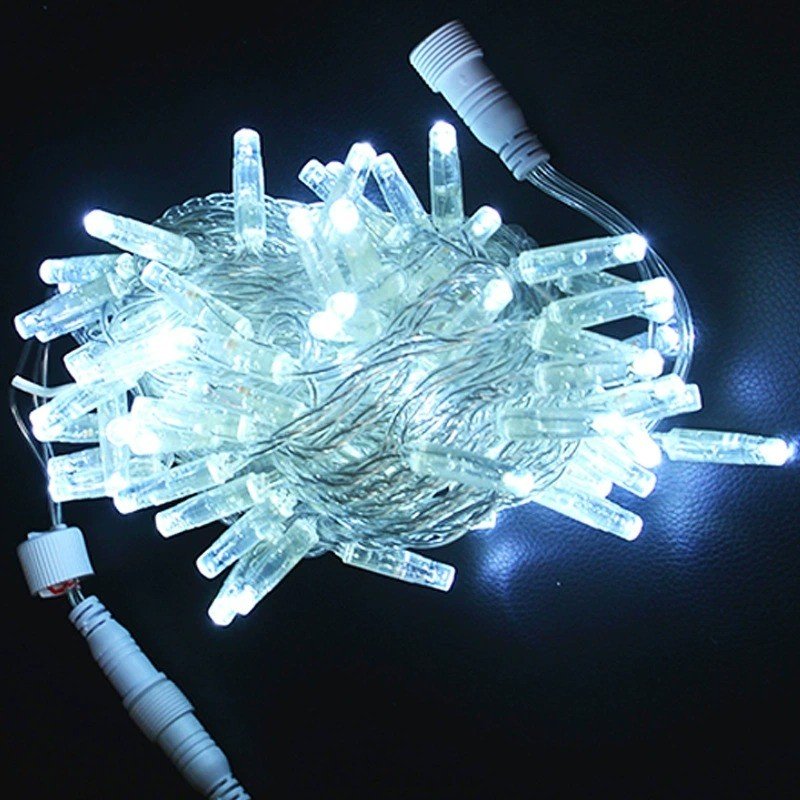
Ice White IP65 LED String Lights for Christmas and Winter Décor

Warm White IP65 LED String Lights for Outdoor Commercial Decoration
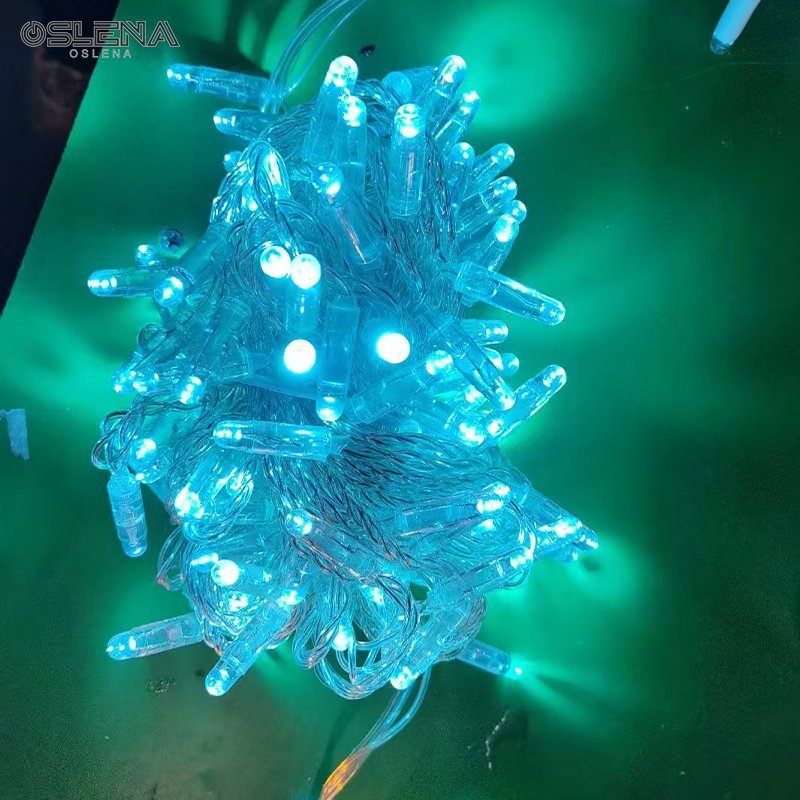
Ice Blue IP65 LED String Lights for Themed Commercial Displays

In This Guide
Let’s Build Your Next Lighting Project
Tell us your application, target market, quantity and customization needs. Our team will recommend the right decorative lighting solution.