
How to Remove, Store, and Reuse Commercial Holiday String Lights

Commercial holiday string lights can be reused only when their condition, product instructions and the next installation support it. Careful removal, drying, packing and inspection help protect that investment. A string lighting up is not, by itself, proof that it is safe to reinstall. Check the cable, connections and power equipment before it goes back into service.
The U.S. Fire Administration’s holiday safety guidance advises inspecting lights each year before installation and discarding strands with frayed or pinched wires. That is a useful starting point, alongside the product instructions and the requirements of a commercial site.
What Should Be Planned Before Removal?
Before the crew starts, identify the circuits, access arrangements and sections to be removed. Have the responsible qualified personnel arrange isolation, prevent unintended re-energization and verify the de-energized condition as required for the work. A switch being off is not a substitute for the site’s isolation procedure.
For work at height, plan suitable access equipment, trained personnel and control of the area below. The removal sequence should support the lights as fixings are released, rather than leave a long section hanging from its last connector.
| Before removal | What to record |
|---|---|
| Isolation and access | Responsible personnel, isolation procedure, access method and area controls |
| Circuit and zone labels | Matching supply, segment sequence and installation location |
| Site inspection | Damage, missing accessories and fixings needing attention |
Use tags that identify the location and matching components without tightening around the cable. Keep photographs of the original routes, supply positions and connection sequence. This saves the next crew from guessing which lead, driver or connector belongs to each section.
How Can Crews Remove Lights Without Damaging Them?
Support the section being removed before releasing its clips, ties or other fixings. Work in manageable sections and lower them in a controlled way. Pulling a cable to free it from bark, branches or gutter edges can damage conductors, molded joints and insulation.
Disconnect compatible sections according to their instructions. Release locking parts before separating the connector bodies, and avoid pulling on the cable itself. Protect connectors from impacts and keep seals and caps with their matching parts.
For suspended runs, use the planned lowering method and support arrangement; do not assume the electrical cable can carry the weight of the span. Our commercial holiday lighting installation guide explains the support, cable-routing and access considerations that also matter during removal.
Which Components Need to Be Set Aside?
Sort removed equipment into three groups: suitable for cleaning and storage after inspection, held for assessment or permitted repair, and rejected for appropriate disposal or recycling. A storage label records status; it is not a guarantee of future fitness.
| Component | Inspection points |
|---|---|
| Cable insulation | Cuts, cracks, hardening, swelling or exposed conductors |
| Connectors and seals | Cracks, damaged threads, missing seals, debris and corrosion |
| Molded light points | Visible damage, discoloration or signs of moisture without opening sealed joints |
| Power equipment | Damaged housing, cable entries or identification; keep matching ratings traceable |
| Status and follow-up | Record the defect and segregate suspect parts pending assessment |
Do not open sealed molded LED joints just to look for water. Check visible damage, discoloration, trapped moisture where observable and corrosion at accessible connections. Keep suspect sections out of service for assessment.
Ordinary tape over a cracked jacket is not evidence that outdoor protection has been restored. Repair is appropriate only where the product permits it and the method can be verified by competent personnel. Our guide to reading LED string light test reports helps distinguish design evidence from checks on the condition of used equipment.
How Should Lights Be Cleaned, Coiled and Stored?
Remove dirt and moisture before packing
With equipment disconnected, follow the supplied cleaning instructions. A soft dry cloth, or a lightly damp cloth where permitted, may be suitable for surface dirt. Confirm the method for salt, sap or stubborn residue rather than using solvents, pressure washing or immersion without approval.
Let the equipment dry fully before closing its storage packaging. Check accessible connectors and cable entries as well as the outer cable. There is no single drying time for every product and environment; follow the instructions and assess the actual condition.
Choose coils and containers that suit the product
Make broad, relaxed loops or use a suitable reel without forcing cable twist or crushing LEDs. Keep within any specified bend limits. Over-under or figure-eight handling may suit some constructions, but it is not a universal instruction for every string assembly.
Protect connectors and molded light points from pressure during packing. Choose clean containers and storage conditions that meet the product requirements, including temperature, humidity and protection from sunlight and pests. A tight lid does not solve residual moisture or condensation.
Keep the inventory traceable by product reference, configuration and installation zone. Record quantities, inspection status and missing accessories. Separate equipment awaiting assessment from stock intended for the next installation.
What Should Be Rechecked Before the Next Installation?
First inspect the stored equipment while disconnected. Look for cuts, cracks, hardening, swelling, pest damage, loose parts or signs of moisture. Review handling damage around connectors and previous fixing points. Do not handle suspected exposed conductors as a routine tactile check.
After the visual review, qualified personnel should arrange the appropriate electrical and functional checks for that product. Follow the supplied test method and protective arrangements. Unless the instructions explicitly permit another method, lay out the string as directed rather than energizing a tightly wound coil or an unsuitable reel.
Stop the check if there is flickering, abnormal heating, damage or a protective-device trip. Continuity testing and an illuminated function check answer different questions; neither alone proves that insulation or ingress protection remains satisfactory.
Finally, compare the next layout with the previous one. A different voltage, driver, connector or connected load can require another review. The custom string light test-coverage guide explains why a replacement part or revised arrangement should not be assumed equivalent.
Frequently Asked Questions
Can a string be reused when only a few LEDs do not light?
Do not decide from the number of dark LEDs alone. Isolate the section and identify the cause using the product’s service instructions. Replace only parts intended to be replaceable, with the correct specification. A replaced fuse or module does not establish safety if the underlying fault remains; sealed assemblies may require complete section replacement.
Can commercial string lights remain mounted all year?
Check whether the selected configuration and instructions support that use. IP65 describes ingress protection under specified conditions, not a service life or proof of UV and cold resistance. Permanent mounting also brings movement, fixing and tree-growth considerations. Our IP65 outdoor application guide explains the limits of the rating.
How should spare parts be organized?
Keep caps, seals, leads, connectors and power equipment in separate protected groups with matching references. Record ratings and compatibility, not just a similar appearance. When a product has no unique commercial model code, use an agreed configuration or order reference with photographs.
Plan Next Season’s Order with OSLENA
Before replacing stock, prepare a list of reusable quantities, rejected sections, missing accessories and any changes to the site layout. Include photographs, original order references, electrical ratings and the required delivery date.
Ask OSLENA to confirm available replacement configurations and compatible accessories against that information. Contact OSLENA about replacement and wholesale requirements or explore our commercial decorative lighting solutions. Agree compatibility and relevant documentation before adding new parts to an existing installation.
LED String Lights for Your Project
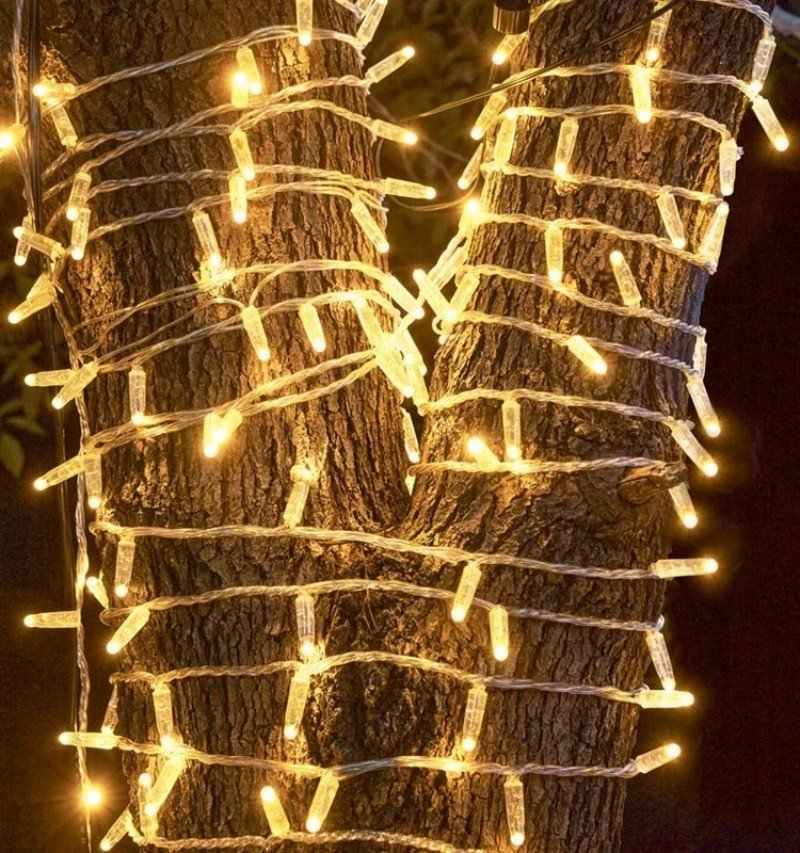
Warm White IP65 LED String Lights for Tree Trunk Decoration
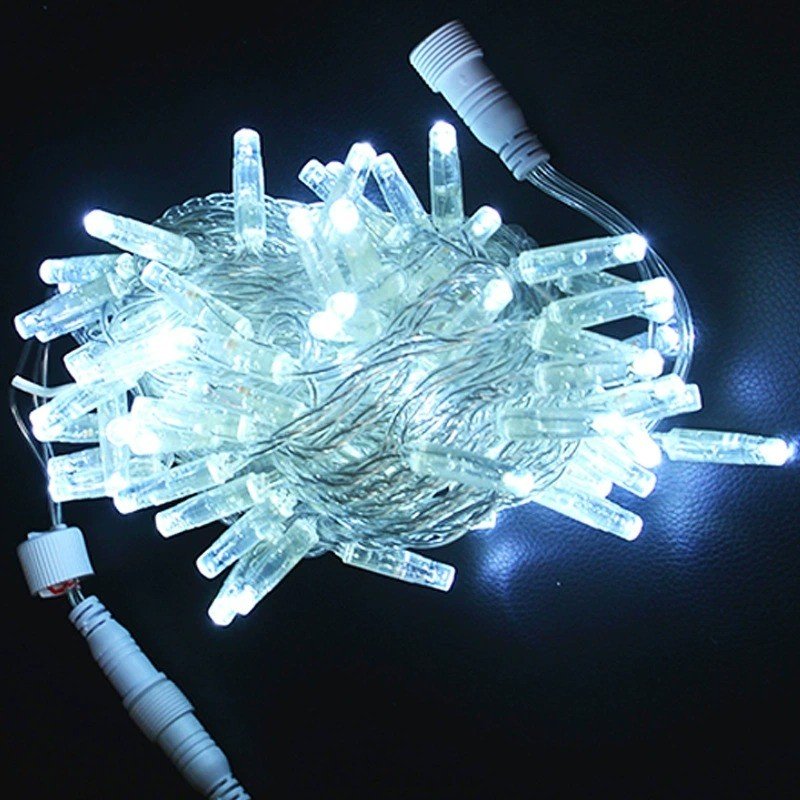
Ice White IP65 LED String Lights for Christmas and Winter Décor
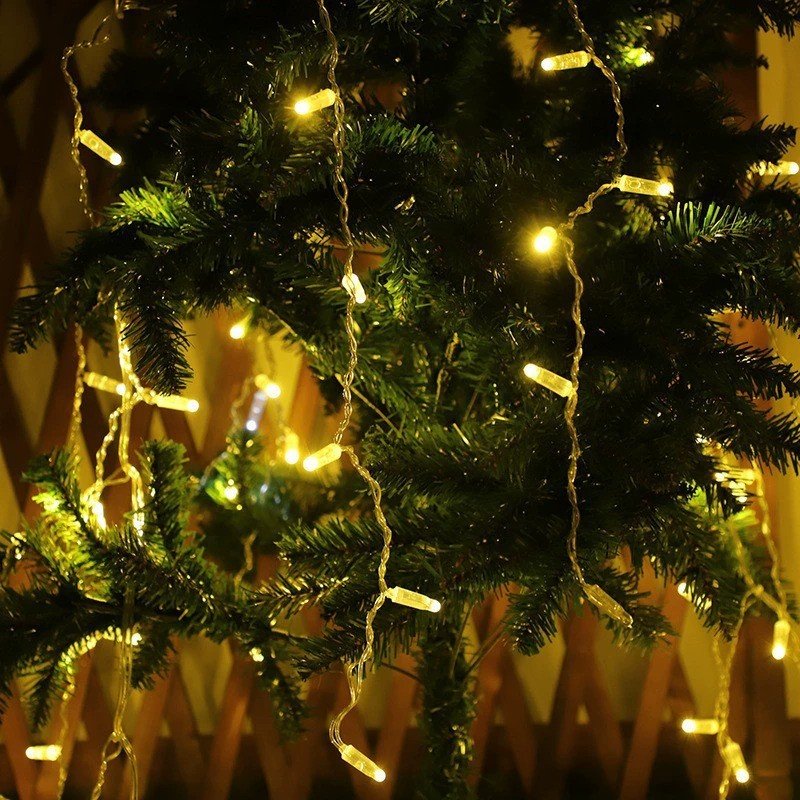
Warm White Tree Draping LED String Lights for Hotel and Event Décor

In This Guide
Let’s Build Your Next Lighting Project
Tell us your application, target market, quantity and customization needs. Our team will recommend the right decorative lighting solution.